Engineering our
mountain communities

Surveying, Water / wastewater
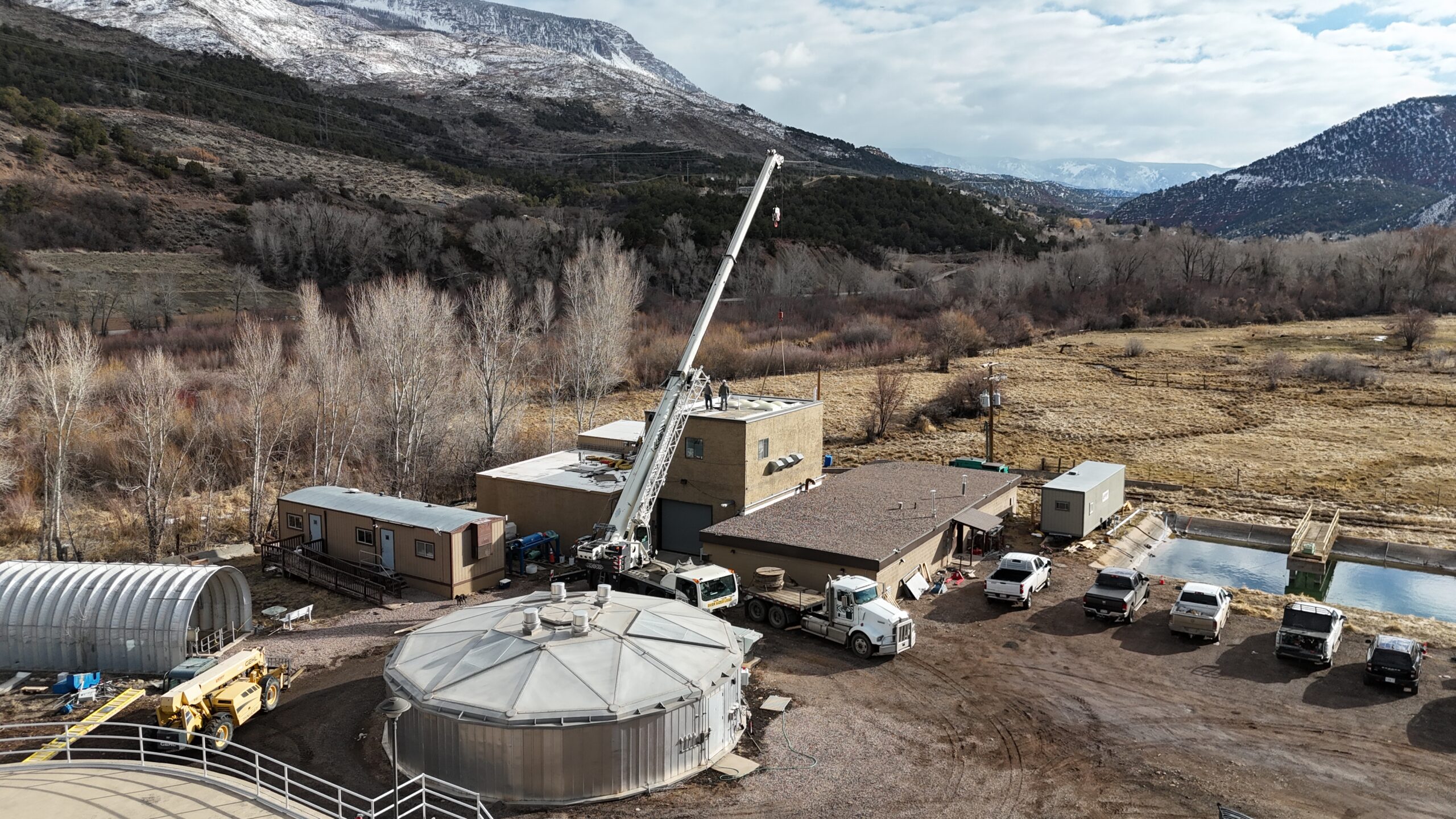
Modernizing Solids Handling for Long-Term Performance
Challenges & highlights
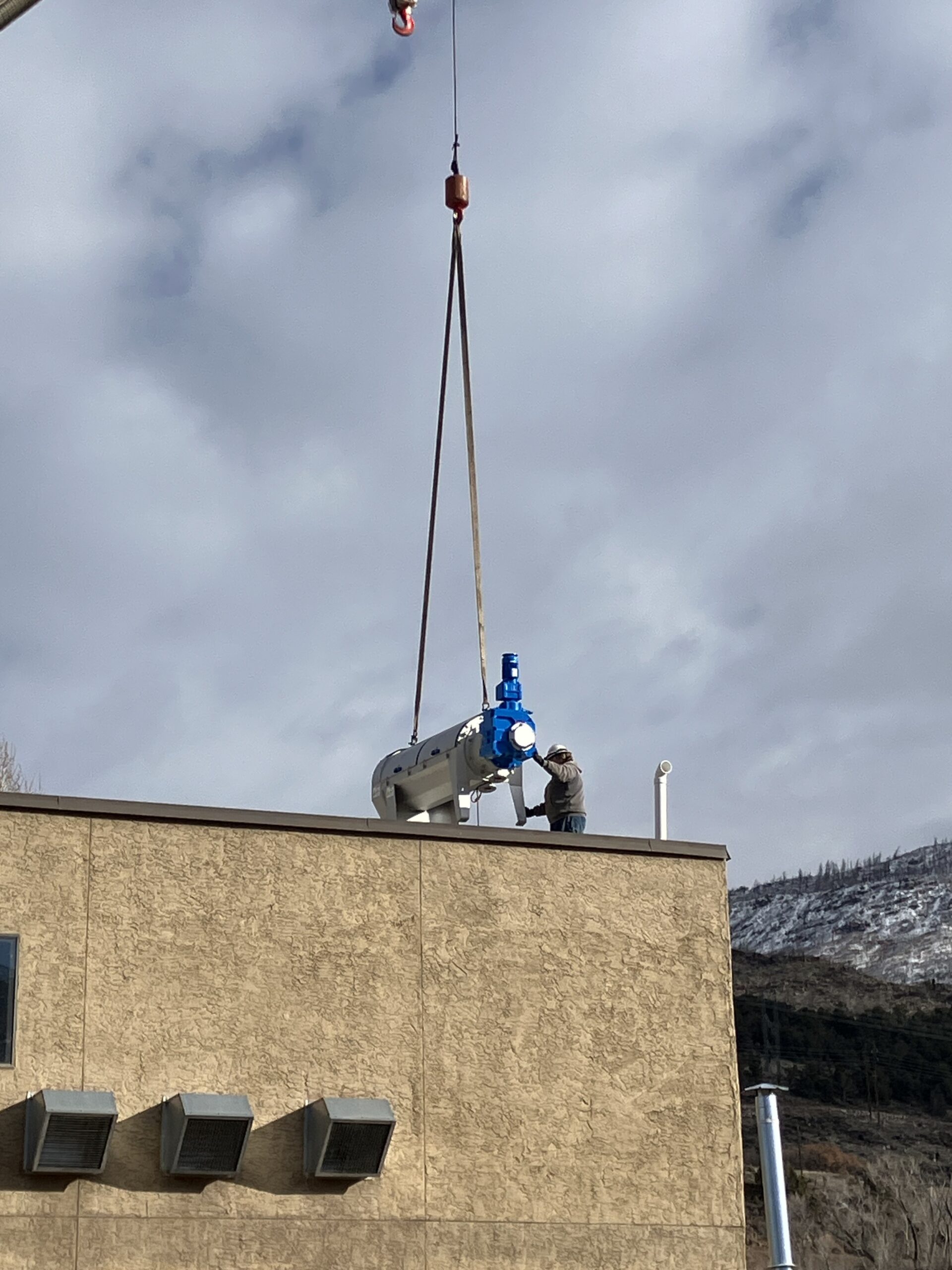
The project had three primary goals: replace outdated equipment with reliable modern systems, improve energy efficiency across the solids handling process, and introduce automation that would reduce the manual burden on plant operators.
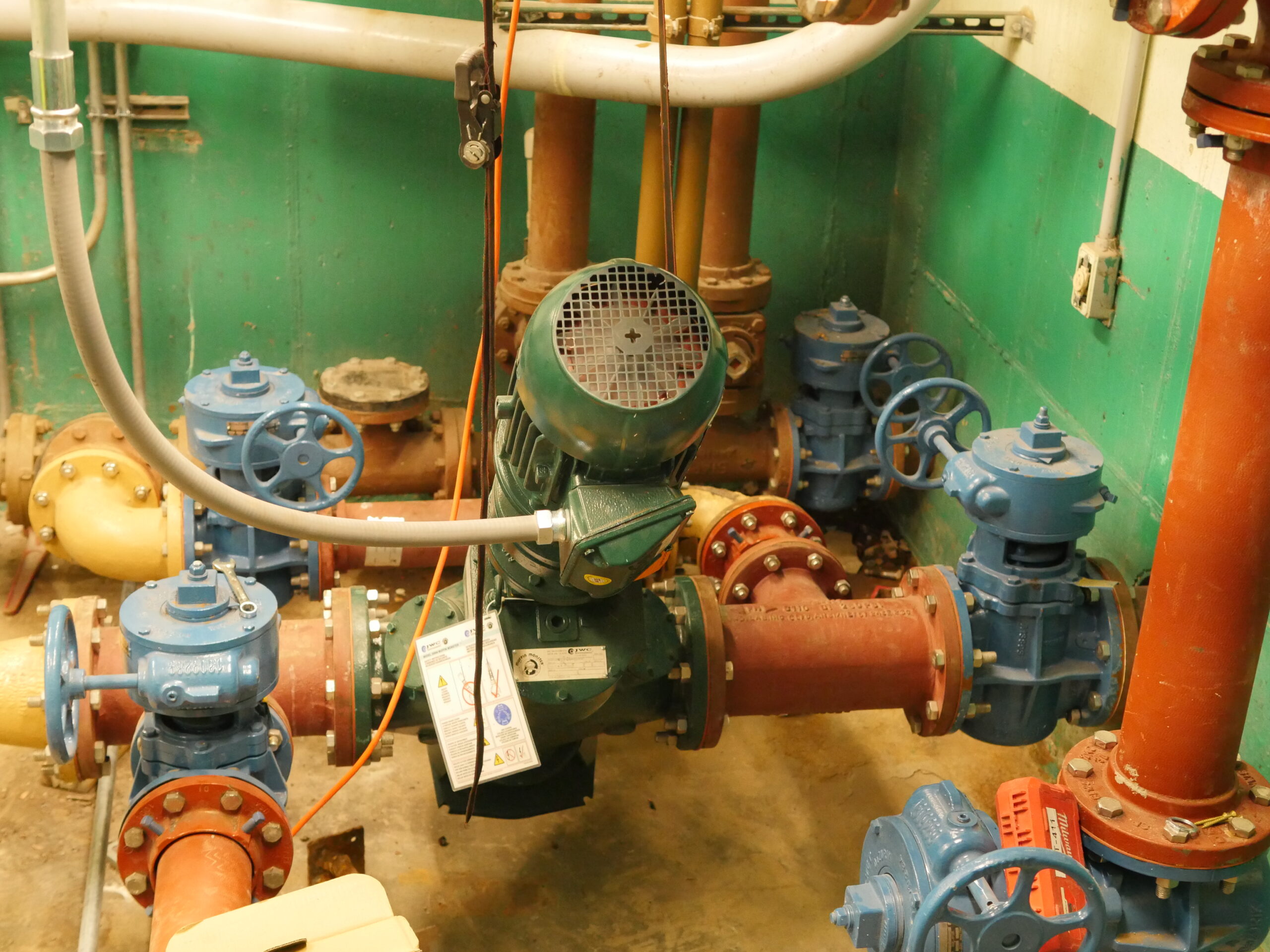
Before work began, the solids handling process was characterized by unlabeled valves, unclear piping connections, and significant unknowns in both the process piping and the controls. Operators were working within a system that had accumulated ambiguity over years of patchwork maintenance, making it difficult to understand and control this critical process. To ensure we could properly update the legacy system, we had to conduct careful field investigation and coordination with plant operators.
The results
The upgrade replaced the aging equipment and rebuilt the system with modern automation that gives operators clear, consistent control. The solids handling upgrades also added a tech-enabled and automated solution that can provide real-time data, performance monitoring, and the ability to adapt to changing conditions.
This ultimately reduces operating costs and, at a much higher level, makes it easier to maintain high-quality effluent discharge into the Roaring Fork River. Better control over the solids handling process means more consistent treatment performance, which protects the watershed that defines the Basalt community.
Elevation: 6,611 ft
Location: Basalt, CO
Infrastructure that lasts
Whether you’re planning a new development, upgrading public infrastructure, or improving community systems, our team is ready to help bring your project from concept to completion.