
There is a point in many engineering careers where technical competence is no longer the question.
You have done the work.
You have managed projects.
You know how systems actually operate, not just how they look on paper.
But advancement starts to feel stalled.
For many mid-career engineers today, that stall is not about performance. It is structural. Large firms are increasingly shaped by consolidation, private equity ownership, and rigid hierarchies that limit autonomy, mentorship, and real leadership growth.
That moment, when you realize you are capable of more than your current role allows, is often when engineers start asking harder questions about where they belong.
A Career Built on Saying Yes
For Maggie, now a VP, Owner & Principal at Roaring Fork Engineering, the path was not linear. That is the point.
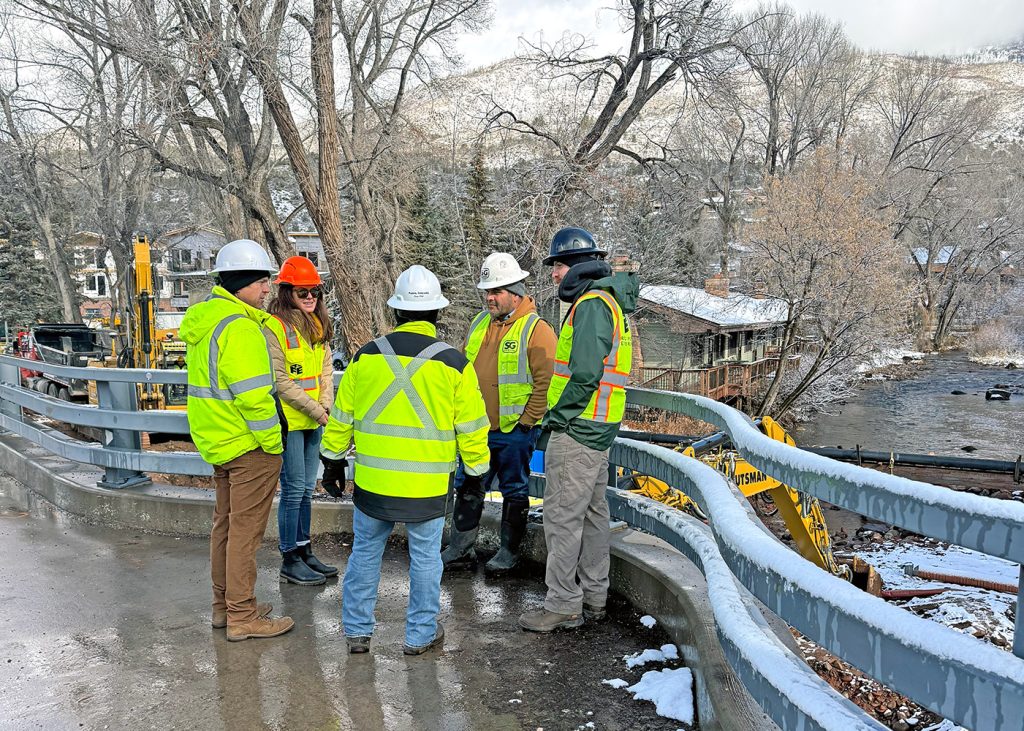
She entered engineering with academic momentum, heading from undergraduate studies straight into graduate school. She initially planned to pursue a PhD but ultimately chose a master’s degree instead, recognizing that the academic path she was on did not align with the environment she wanted to grow in.
Early on, she volunteered with Water For People, a nonprofit focused on bringing clean drinking water to underserved communities. That experience introduced her to professionals working in consulting and led to her first role at a larger engineering firm. There, she discovered something important. She loved consulting, not just the design work, but the relationships.
“I was good at the technical side,” she says, “but I was also really good at connecting with people. That combination helped me move forward faster.”
That theme repeats throughout her career. Growth did not come from waiting to be ready. It came from saying yes, stepping into unfamiliar work, and trusting herself to figure it out.
Growth Is Not a Finish Line
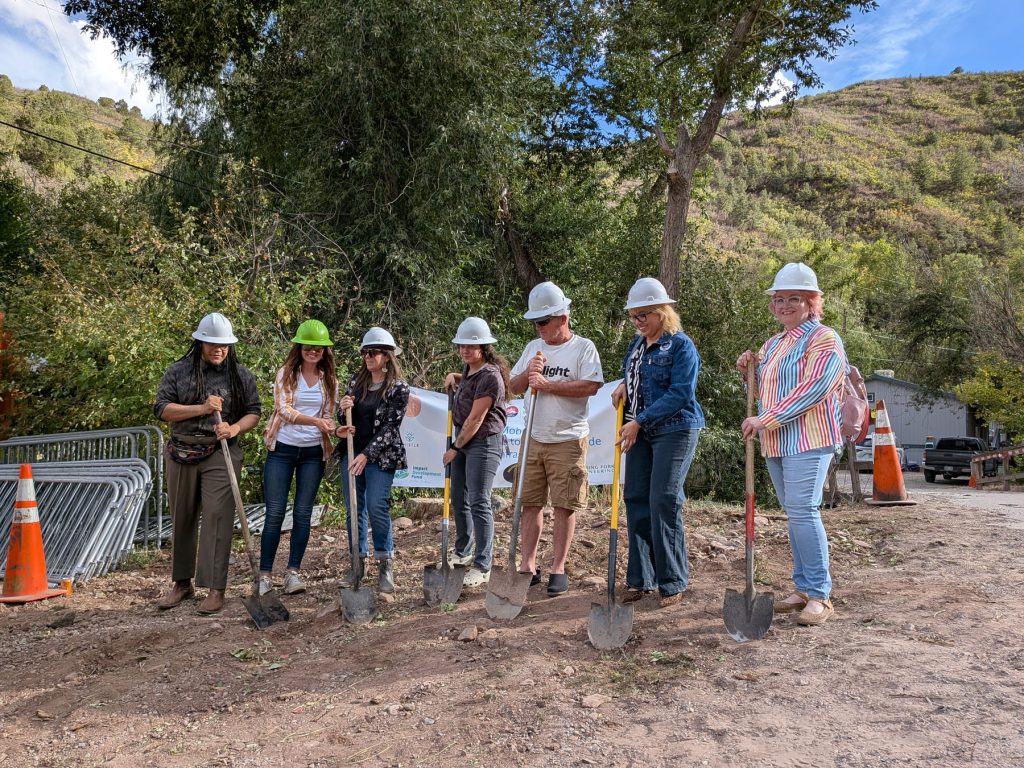
One of the most defining aspects of Maggie’s career philosophy is her relationship with feedback.
Not just receiving it, but using it.
“Accepting feedback is one thing,” she explains. “Actually internalizing it and becoming better is where growth happens.”
There is no finish line in engineering. No moment where you arrive fully formed and stop learning. The best engineers continue to evolve, technically, professionally, and personally, throughout their careers.
That mindset matters even more in smaller firms, where responsibility comes earlier and growth is less scripted. You are trusted to think critically, communicate clearly, and take ownership, not just execute tasks.
Why Smaller Firms Create Different Careers – A Career Shaped by Trust and Relationships
Maggie first came to Roaring Fork Engineering unsure of her long-term career plans. At the time, she had her sights set on a role with the Forest Service, a position she was curious about exploring. When no opening was available, she kept looking and ultimately accepted an opportunity at RFE.
Two years later, the Forest Service reached back out. A role had opened, and it felt like something she needed to explore. She left Roaring Fork Engineering on good terms, maintaining the relationships and trust she had built.
“I felt like I had to try it,” she says.
The experience clarified more than she expected.
“The pace just was not right for me,” she explains. “I missed the problem solving, the collaboration, the momentum.”
When she left RFE, Richard, one of the firm’s owners, told her simply to call if she changed her mind. There was no pressure and no resentment, just trust.
Not long after, she did exactly that.
At the same time Maggie reached out, an opportunity opened to lead Roaring Fork Engineering’s water and wastewater practice. Because the relationship had been preserved, the conversation was easy. The trust was already there.
She returned not because it was familiar, but because it offered something increasingly rare in the industry. Trust. Autonomy. And real room to lead.
Her story is a clear example of how careers are often shaped less by perfectly timed moves and more by how people treat one another along the way. In an industry where relationships matter, leaving on good terms is not just professional courtesy. It is a long term career strategy.
Where That Culture Comes From
At RFE, engineers are given independence early, with support behind it. The expectation is self motivation, curiosity, and accountability. In return, the firm invests deeply in its people.
That investment shows up in tangible ways: conference attendance, ongoing training, and intentional leadership development. Our leadership team has also participated in workshops built around the principles of Radical Candor, reinforcing a culture of direct, respectful communication.
Feedback is not avoided. It is encouraged. Delivered thoughtfully. Focused on work rather than personality. Treated as a sign of respect.
“If someone is taking the time to give you critical feedback,” Maggie says, “consider yourself lucky.”
The Value of Trust and Relationships
Another defining lesson from Maggie’s career is that relationships matter. More than titles. More than org charts.
She emphasizes networking, maintaining trust, and never burning bridges. When she left RFE the first time, it was on good terms. Years later, that trust opened the door again.
In engineering, especially in water and wastewater, reputations travel fast. So do opportunities.
At smaller firms, those relationships are closer. Mentorship is not abstract. Senior engineers stay involved. Ownership is accessible. Decisions are made by people who understand the work, not spreadsheets.
Sustainable Careers Require Whole Humans
Engineering is demanding work. The projects are complex. The stakes are real.
One of Maggie’s most important realizations over time has been this. She comes first.
“If I am healthy and happy, I do my job better,” she says. “The work will always be there. Taking an hour for yourself should not be detrimental to your career.”
That philosophy is woven into RFE’s culture. Not as a perk, but as a practical reality. Sustainable performance requires engineers who are supported, trusted, and treated like adults, and who are given the freedom to explore their hobbies and interests.
For Engineers at a Crossroads
If you are a wastewater engineer with seven to ten years of experience, someone who can run projects, mentor others, and think beyond your own scope, the question may not be whether you are ready for more responsibility.
The question may be whether your current environment allows it.
Smaller, privately owned firms like Roaring Fork Engineering offer something that is becoming harder to find. Careers shaped by trust, growth, and integrity, not just scale.
And for the right engineer, that difference is not just professional.
It is career defining.