
Civil engineering and environmental engineering share a similar foundation — both disciplines support public safety, infrastructure performance, and the long-term health of communities. However, they differ in focus: civil engineering primarily centers on the design and maintenance of the built environment (such as site development, utilities, drainage, and public works), while environmental engineering is focused on protecting natural resources and public health through systems like wastewater treatment, pollution control, and sustainable infrastructure.
In this guide, we’ll break down the differences between civil and environmental engineering, explain how they overlap, and share examples of projects where both disciplines work together to deliver safer, more resilient outcomes.
Key Insights
- Civil engineering focuses on designing and maintaining the built environment, including site development, utilities, drainage systems, and public infrastructure.
- Environmental engineering focuses on protecting public health and natural resources through clean water systems, pollution reduction, and sustainable infrastructure.
- In real-world projects — especially in resort and rural communities — civil and environmental engineering frequently overlap, particularly on stormwater, sanitation, permitting, and watershed-sensitive design.
- Many civil firms specialize in site/civil design and water resources, while structural and geotechnical engineering are often handled by specialty firms.
- In Western Colorado’s challenging terrain and climate, a holistic engineering approach reduces risk, improves permitting outcomes, and supports long-term resilience.
What is Civil Engineering?
Civil engineering is the discipline that turns land into a functional, buildable site — and ensures infrastructure performs safely over time. Civil engineers design and support the systems that communities rely on every day, including site development, utilities, stormwater drainage, and public infrastructure.
Depending on the firm, civil engineering work often includes grading and drainage design, stormwater controls, utility design for water and sewer, and permitting coordination — especially in complex environments like mountain communities where terrain, climate, and site constraints can dramatically impact constructability.
Civil Engineering Sub-Disciplines
Civil engineering is an umbrella discipline with several specialties related to infrastructure, site development, and public works.
Site (or Land Development) Engineering
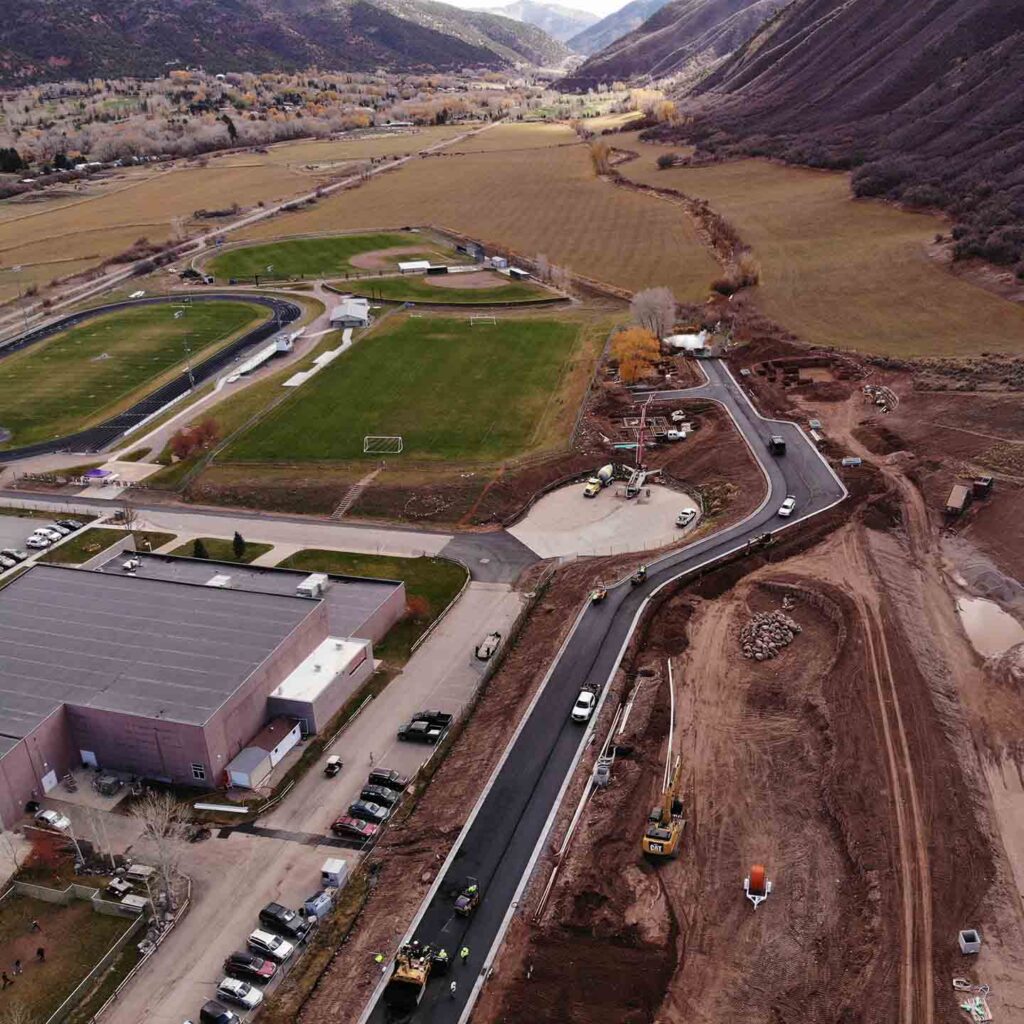
Site (or Land Development) Engineering focuses on the planning, design, and permitting of the built site and its supporting infrastructure. This discipline includes site layout and design (parking, access roads, grading), stormwater drainage systems, erosion control, and utility coordination for water, sewer, and storm systems. Site engineers ensure the property can be developed safely, complies with municipal requirements, and supports construction feasibility from a real-world, constructible perspective.
Water Resource Engineering
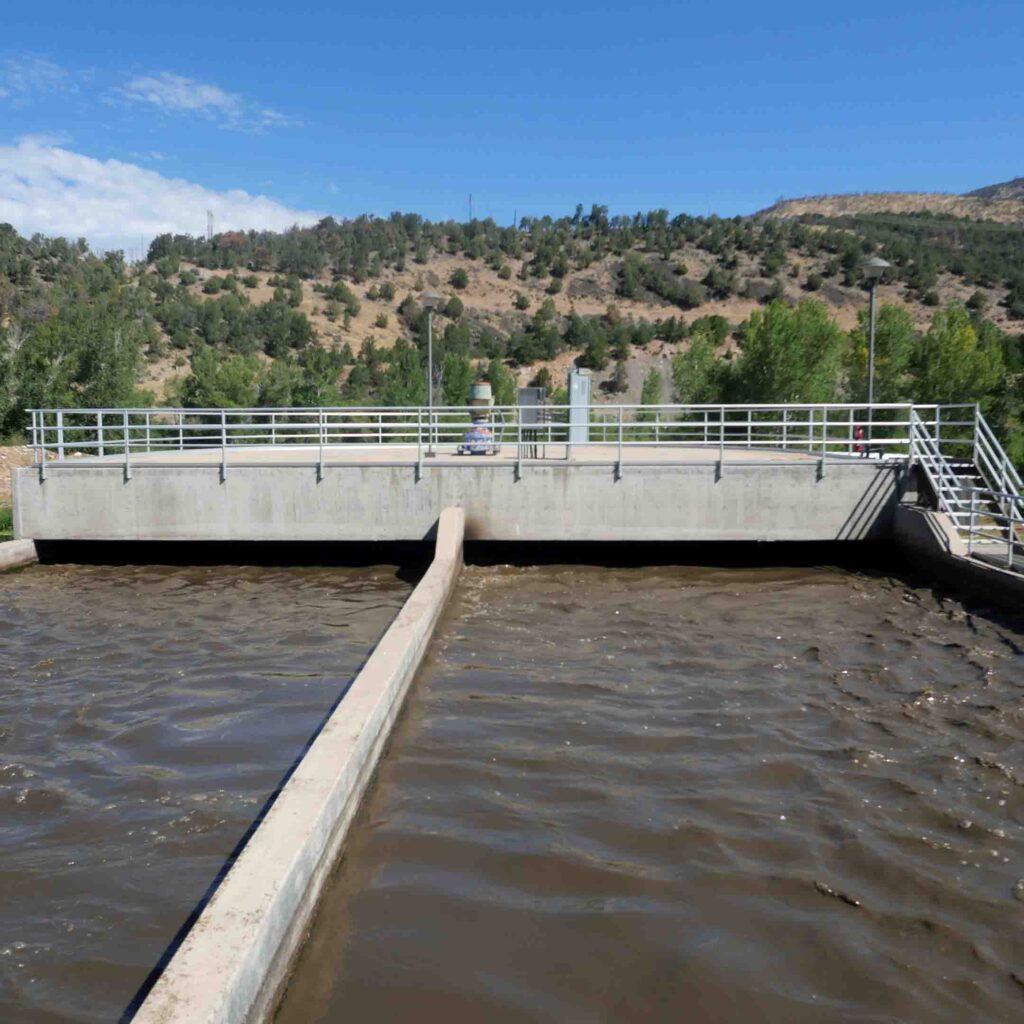
Water Resource Engineering focuses on the management and movement of water for human use and environmental protection. This discipline involves the planning, design, and construction of systems to control, distribute, and utilize water, including dams, reservoirs, pipelines, flood control channels, irrigation networks, and drainage systems. They work to balance the need for water supply, flood mitigation, and maintaining the ecological health of rivers and watersheds.
Structural and Geotechnical Engineering (Related Disciplines)
Many civil engineering firms focus on one or both of the core civil engineering disciplines above. Structural and geotechnical engineering are related to civil engineering, but are often specialty disciplines provided by firms that only offer those services.
Structural Engineering focuses on the design and analysis of the physical stability and strength of structures. Structural engineers evaluate loads and forces (gravity, wind, seismic activity, and occupancy loads) to ensure buildings and structures perform safely.
Geotechnical Engineering involves studying the behavior of soil, rock, and groundwater and how those materials interact with infrastructure. Geotechnical engineers determine engineering properties of the ground and support projects through foundation recommendations, retaining wall design guidance, slope stability evaluation, and earthwork considerations.
Example Civil Engineering Projects
Civil engineering spans far more than roads and bridges — especially in resort and rural communities where terrain, weather, and existing infrastructure can complicate construction. Below are a few examples of the types of civil engineering projects Roaring Fork Engineering supports across Western Colorado:
Civil design for affordable housing in Aspen – 517 Park Circle
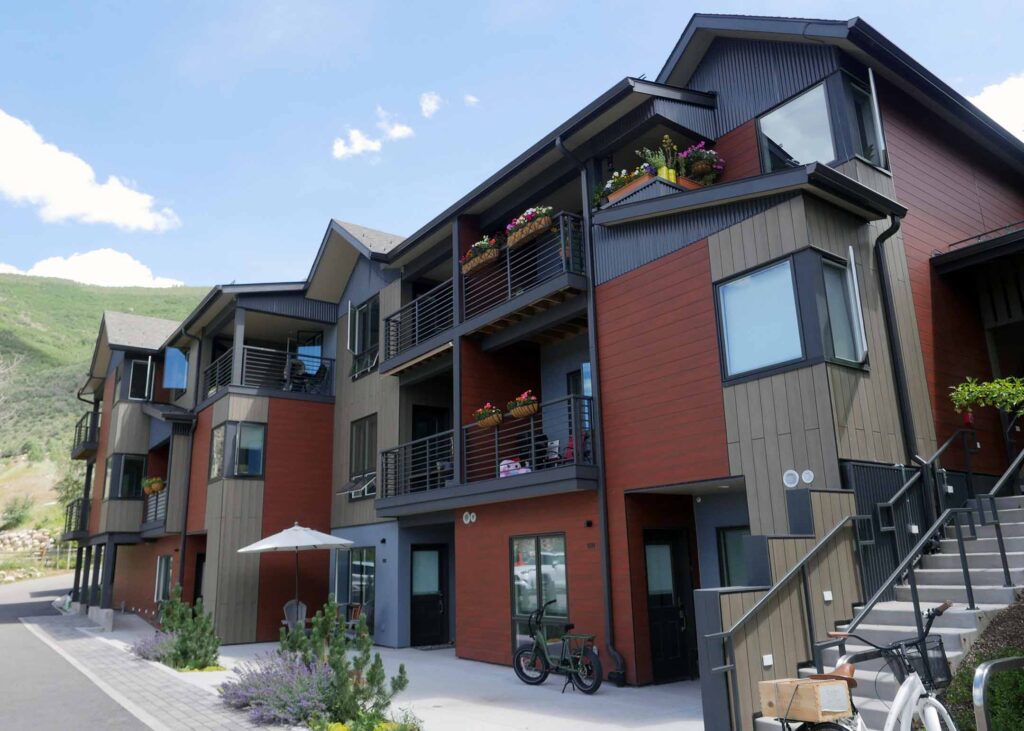
In high-density mountain towns like Aspen, civil engineering must balance constructability, permitting, and strict local guidelines. RFE provided civil design support for an affordable housing complex, staying on the design team through land use approvals, building permits, construction, and issuance of the certificate of occupancy.
Project highlights included:
- Civil engineering design for an affordable housing development
- Compliance with Aspen Pitkin County Housing Authority (APCHA) requirements
- Land use approvals and building permit support
Public infrastructure design and construction oversight in Aspen – Aspen City Offices & Rio Grande Place
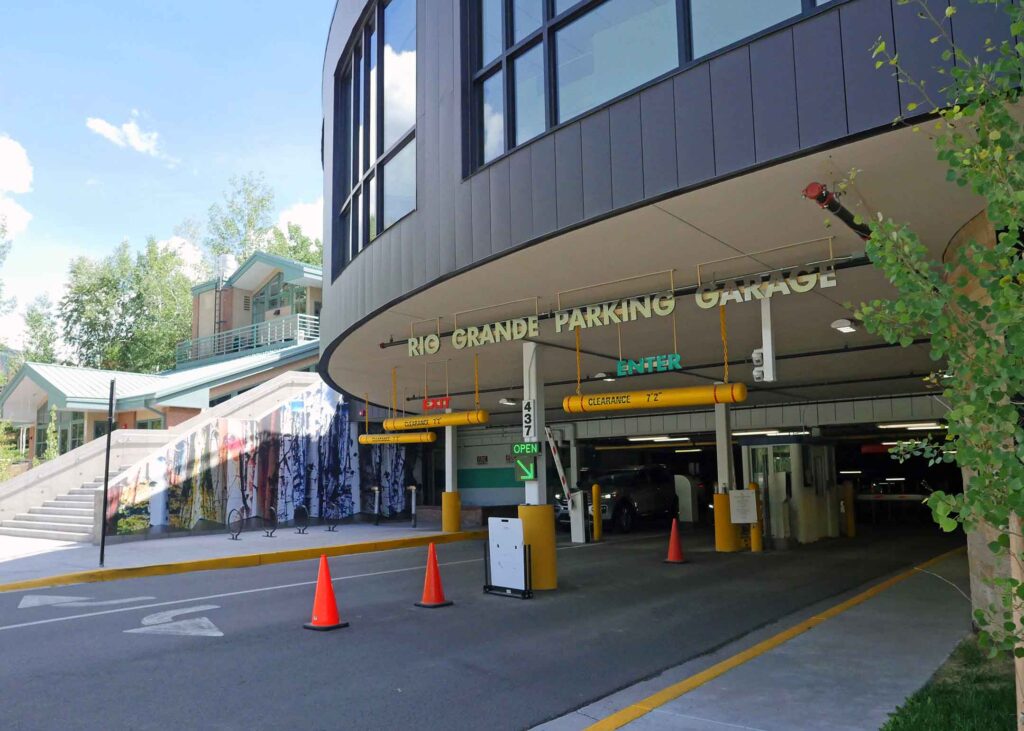
Large public projects require careful coordination between utilities, drainage systems, and city construction standards. RFE supported the Aspen City Office project at Rio Grande Place by completing land use applications, attending public meetings, and overseeing complex site infrastructure needs.
Project highlights included:
- Complex drainage system design
- Hydraulic modeling to size pipes and inlets
- Utility coordination and infrastructure phasing
- Main waterline replacement and sewer trunk line upgrades
- Construction inspection and documentation for compliance
What Is Environmental Engineering?
Environmental engineering is a sub-discipline of civil engineering with an emphasis on resource conservation, ecological protection, and public health. Environmental engineers help increase the sustainability of public infrastructure, eliminate or reduce pollution, and manage waste.
Think of it like this: modern sewer and water treatment systems prevent disease and provide access to clean drinking water — and environmental engineers make those systems possible.
Environmental Engineering Sub-Disciplines
Environmental engineering projects commonly fall under four main categories around improving environmental quality and public health:
Water & Wastewater Treatment
This category ensures that communities have safe, clean drinking water and that wastewater is treated and returned to the environment appropriately. Projects may include stormwater management, design of water and wastewater treatment plants, water quality assessments, and sewer rate studies.
Waste Management and Site Remediation
Waste management and remediation deals with solid waste and contaminated areas. Typical projects include landfill design and monitoring, hazardous waste management, remediation planning, environmental cleanup, and development of recycling or waste-to-energy systems.
Air Quality and Pollution Control
Air quality and pollution control focuses on reducing pollution (often from industrial sources) to protect both people and the atmosphere. Common air quality engineering projects include pollution control system design, air quality modeling and assessment, and odor control for facilities like wastewater plants, landfills, and industrial manufacturing operations.
Environmental Impact and Sustainability
This is what many people think of when they think of environmental engineering. These projects focus on the impact of new construction, sustainable infrastructure planning, environmentally responsible development, and climate resilience initiatives.
Example Environmental Engineering Projects
Environmental engineering is often invisible when it’s done well — but it plays a major role in protecting public health and preserving local ecosystems, particularly in sensitive mountain watersheds. In Western Colorado, environmental engineering frequently overlaps with sanitation, wastewater infrastructure, long-term planning, and stormwater impacts.
Here are examples of how Roaring Fork Engineering supports these needs:
Capital planning and lift station improvement strategy – Pagosa Springs Sanitation General Improvement District
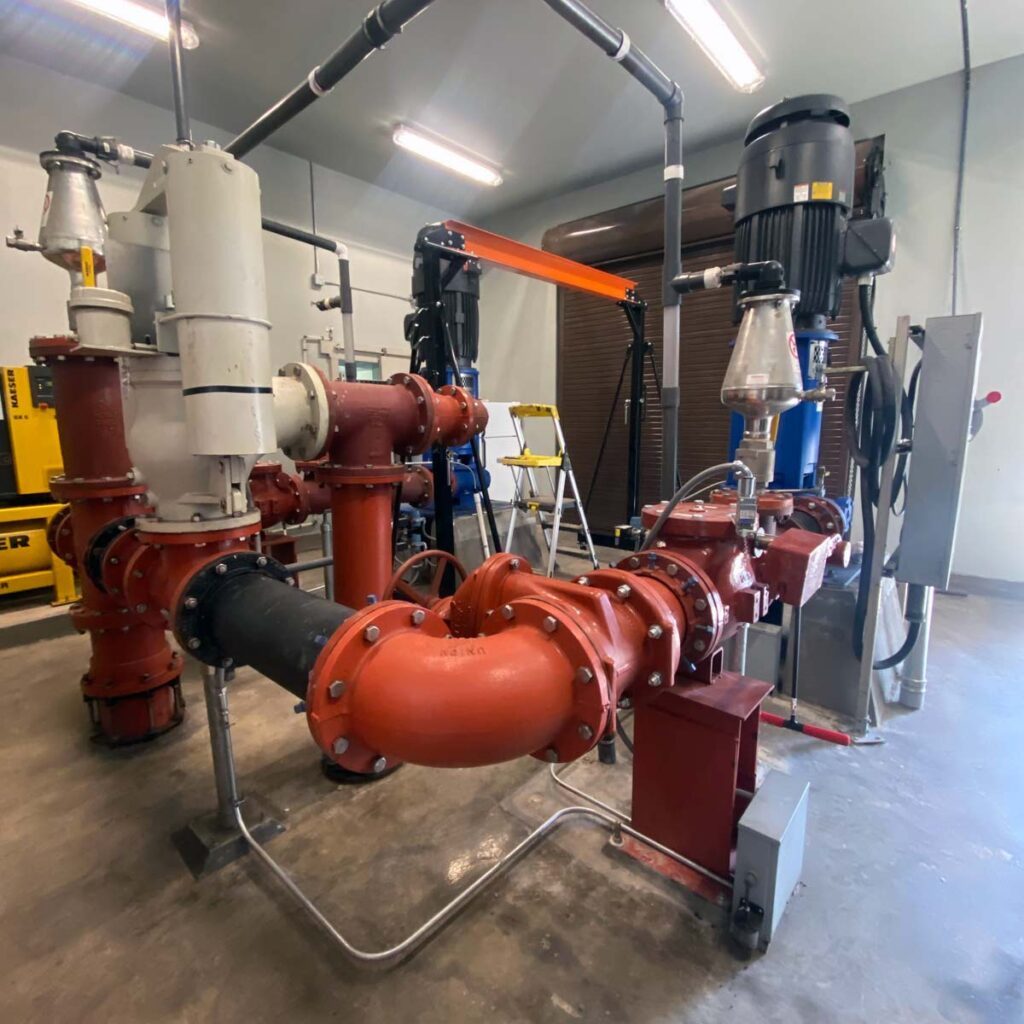
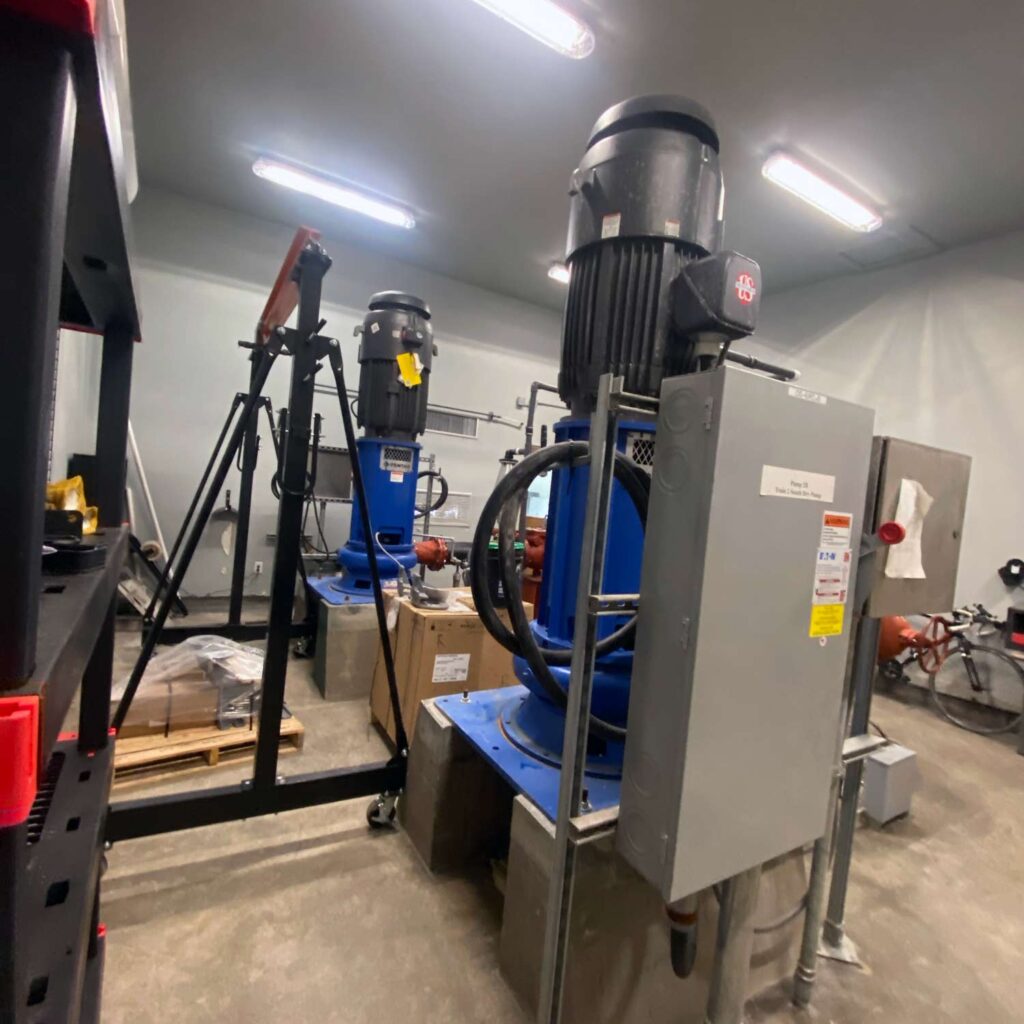
RFE was hired by the Pagosa Springs Sanitation General Improvement District (PSSGID), which serves approximately 1,500 sewer customers, to assess collection system infrastructure and create a plan for long-term replacement and funding. This work included inventorying district assets, developing replacement cost estimates, and compiling a capital improvement plan.
RFE also evaluated multiple improvement options for the District’s two major lift stations, considering both current operational issues and future demand.
Project highlights included:
- Asset inventory and system-wide infrastructure evaluation
- Capital improvement planning (CIP) and replacement cost estimates
- Evaluation of lift station improvement options for long-term performance
- Considerations for odor control, grit/debris/grease removal, and pre-treatment prior to pumping
- Lifecycle cost analysis to compare technology options
- Support with rate study scenarios and funding pursuit
- Presentations to the Town board and collaboration with District staff
Engineer of Record services for a sanitation district – Basalt Sanitation District
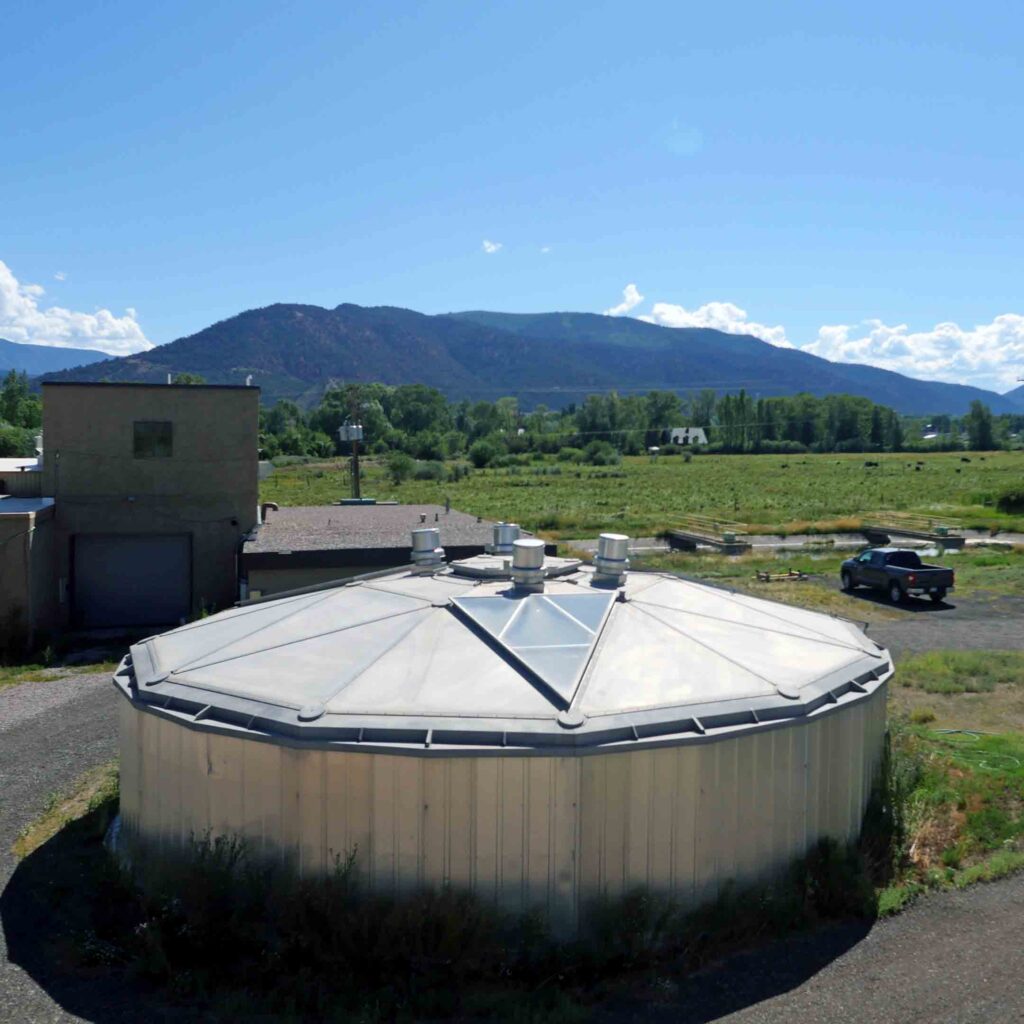
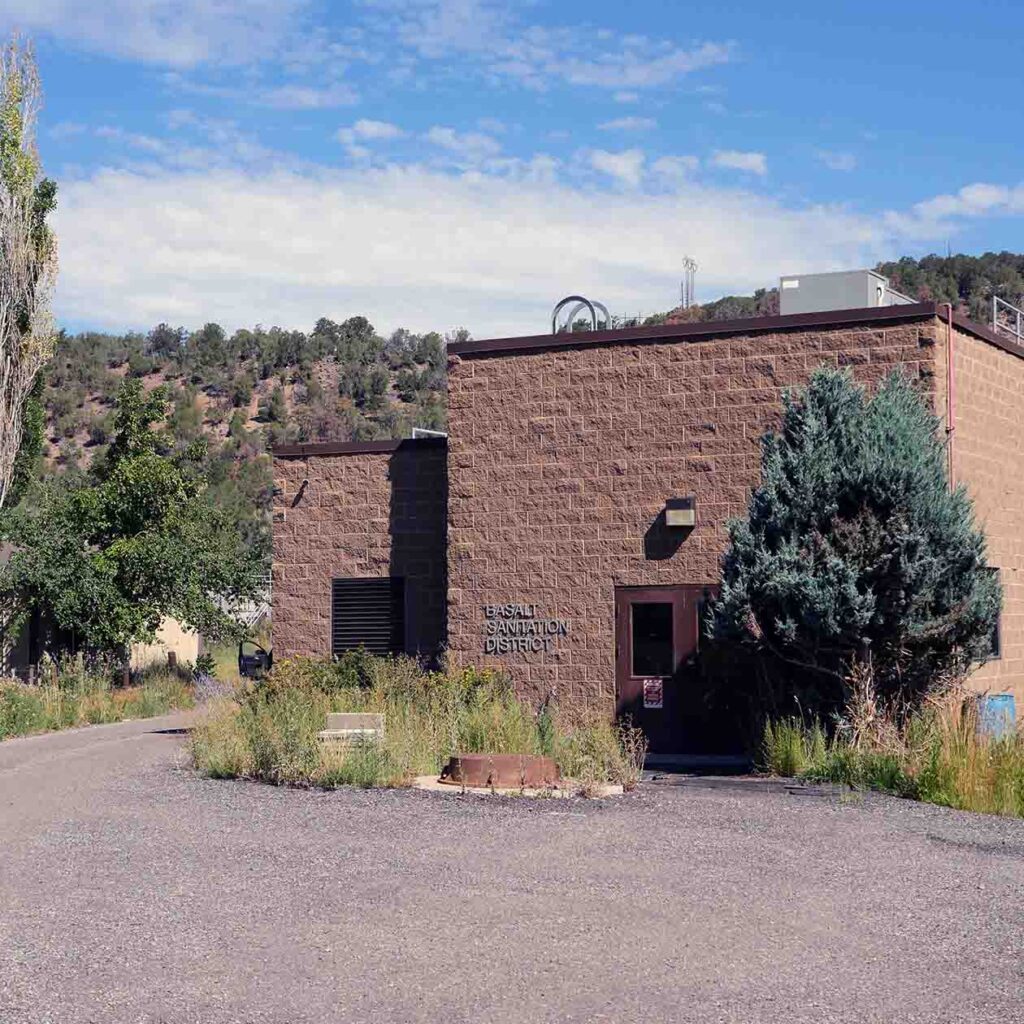
Sanitation districts require technical engineering leadership as well as long-term operational planning. RFE serves as the Engineer of Record for the Basalt Sanitation District, which serves approximately 1,000 customers. In this role, RFE functions as an extension of the District — supporting infrastructure, treatment needs, permitting requirements, and improvement planning.
Project highlights included:
- Engineer of Record responsibilities
- Design and construction administration for sanitary sewer and treatment plant improvements
- Capital budgeting support (annual, five-year, and ten-year planning)
- Guidance on operations/maintenance and future infrastructure upgrades
How Environmental Engineering and Civil Engineering are Similar
Although these disciplines differ in focus, they ultimately support the same broad goal: the health, safety, and well-being of the public. Each discipline uses different methods and priorities — but on many projects, civil and environmental engineers work side-by-side to achieve the best outcome.
For example, in resort and rural mountain communities, a civil engineer may design a site’s grading, drainage, and stormwater systems to ensure runoff is safely captured, conveyed, and released — while an environmental engineer evaluates how that runoff could affect nearby rivers, wetlands, or sensitive watershed conditions. Together, these teams can recommend solutions such as erosion control strategies, stormwater quality controls, and infrastructure improvements that protect public infrastructure and local ecosystems.
Why RFE Offers Both Civil and Environmental Engineering Services
Both civil and environmental engineering are essential to building responsibly in the Mountain West — which is exactly why Roaring Fork Engineering offers both. We serve resort and rural communities across Western Colorado and the surrounding region, where engineering challenges look very different than they do in major metro areas. Projects here often involve rocky terrain, steep slopes, sensitive waterways, extreme weather swings, and seasonal population fluctuations — all of which can dramatically impact site design, drainage performance, and environmental compliance.
What started as a civil engineering firm expanded into environmental engineering because our communities needed a partner who could evaluate projects more holistically. Today, our team supports everything from grading and drainage design for mountain developments, to stormwater and erosion control planning, to environmental review and permitting that protects rivers, wetlands, and local ecosystems. If you’re planning a project in a high-altitude, high-visibility region where quality, safety, and long-term resilience matter, we’re here to help — reach out today to discuss your project.